
Table of Contents
ToggleLearning how to do beauty breakdowns can transform the way people share and understand makeup looks. A beauty breakdown is a detailed analysis of a specific makeup look, showing each product, technique, and step used to achieve the final result. Whether someone wants to recreate a celebrity look or explain their own signature style, beauty breakdowns offer a clear roadmap for others to follow.
This guide covers everything from the basic definition to the exact process for creating compelling beauty breakdowns. Readers will discover the essential tools needed, common pitfalls to avoid, and practical tips for sharing their work with a wider audience.
Key Takeaways
- A beauty breakdown is a detailed analysis of a makeup look that lists every product, technique, and step used to help others recreate the result.
- Good lighting and thorough documentation during application are essential for creating clear, professional beauty breakdowns.
- Document progress photos at each major stage—from skin prep to final touches—and note specific application techniques for maximum viewer value.
- Avoid common mistakes like incomplete product lists, inconsistent lighting, and skipping technique details that frustrate viewers trying to follow along.
- Share your beauty breakdowns across multiple platforms like Instagram, TikTok, YouTube, and Pinterest to reach different audiences effectively.
- Repurpose one beauty breakdown into multiple content formats to maximize your effort and build a consistent posting schedule.
What Is a Beauty Breakdown?
A beauty breakdown is a detailed deconstruction of a makeup look. It lists every product used, explains the application techniques, and often includes visual references like photos or videos. Think of it as a recipe for a specific face, except instead of ingredients and cooking times, there are primers, palettes, and blending methods.
Beauty breakdowns serve several purposes. They help viewers recreate looks they admire. They allow makeup artists to showcase their skills and product knowledge. And they give brands a way to demonstrate how their products work in real applications.
The format can vary. Some beauty breakdowns appear as Instagram carousels with product tags. Others show up as YouTube tutorials with detailed voiceovers. Written blog posts with step-by-step photos also work well. The key element across all formats is clarity, viewers should be able to follow along and understand exactly what goes where.
Beauty breakdowns differ from simple product reviews. A review focuses on one item and its performance. A beauty breakdown shows how multiple products work together to create a complete look. This holistic approach makes beauty breakdowns especially valuable for beginners who want to understand how different products interact.
Essential Tools and Products You Need
Creating quality beauty breakdowns requires specific tools beyond the makeup itself.
Photography and Lighting Equipment
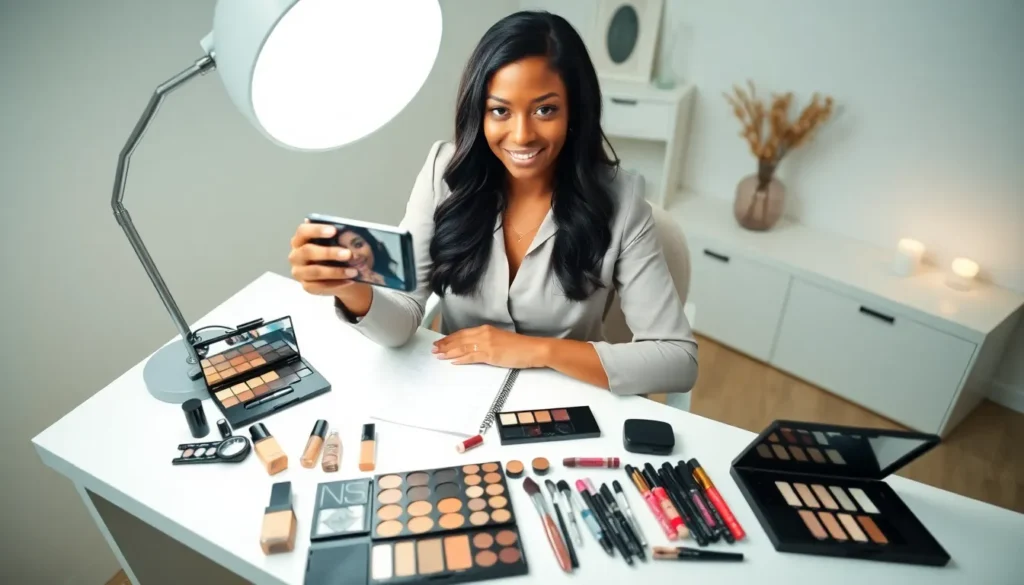
Good lighting makes or breaks any beauty breakdown. Natural light near a window works for beginners. Ring lights or softbox lighting provide more consistent results. A smartphone with a decent camera can work, though dedicated cameras offer better detail for close-up shots.
Documentation Tools
Keep a notepad or notes app handy during the makeup application. Write down each product name, shade, and the order of application. This sounds simple, but many creators forget which bronzer they used by the time they finish the look.
The Makeup Itself
Organize all products before starting. Lay them out in the order they’ll be applied. This helps with both the application process and the documentation. Common categories include:
- Base products (primer, foundation, concealer)
- Eye products (eyeshadow, liner, mascara)
- Face products (blush, bronzer, highlighter)
- Lip products (liner, lipstick, gloss)
- Setting products (powder, setting spray)
Editing Software
Basic photo editing tools help create polished beauty breakdowns. Apps like Canva, Lightroom, or even native phone editors allow creators to add text, adjust colors, and compile images into cohesive posts.
Step-by-Step Process for Creating a Beauty Breakdown
Follow this process to create clear, useful beauty breakdowns.
Step 1: Plan the Look
Decide on the final look before touching any product. Find reference images if recreating something specific. Consider the occasion, color scheme, and overall vibe. Planning prevents mid-application changes that complicate documentation.
Step 2: Gather and Photograph Products
Collect every product needed for the look. Take flat-lay photos of all items together. Individual product shots also help viewers identify specific items. Include shade names and brand information in notes.
Step 3: Document During Application
Capture progress photos at each major stage. Most beauty breakdowns benefit from shots after:
- Skin prep and primer
- Foundation and concealer
- Eye makeup completion
- Bronzer, blush, and highlighter
- Lips and final touches
Write down any specific techniques used, like “applied with a damp sponge” or “built up in three layers.”
Step 4: Capture the Final Look
Take multiple photos of the completed makeup. Include close-ups of eyes and lips. Full-face shots show how everything works together. Different angles give viewers a complete picture.
Step 5: Compile and Edit
Organize photos in chronological order. Add text overlays with product names. Create a cohesive visual flow. For video beauty breakdowns, edit clips together with voiceover or text explanations.
Common Mistakes to Avoid
Several errors can weaken a beauty breakdown’s effectiveness.
Incomplete Product Lists
Skipping products frustrates viewers who want to recreate the look. List everything, including less glamorous items like primer and setting spray. These “boring” products often make the biggest difference in how makeup wears and photographs.
Poor Lighting Consistency
Changing light sources between photos creates confusion. The same foundation can look completely different under warm versus cool lighting. Stick to one lighting setup throughout the entire process.
Forgetting Technique Details
Products alone don’t create a look, application matters too. A beauty breakdown that says “applied eyeshadow” is less helpful than one explaining “packed shadow onto lid with flat brush, then blended crease with fluffy brush using windshield wiper motions.”
Rushing the Process
Beauty breakdowns require patience. Taking photos, writing notes, and applying makeup carefully takes longer than a regular makeup routine. Budget extra time to avoid sloppy documentation.
Ignoring Skin Prep
Many beauty breakdowns jump straight to foundation. Viewers benefit from seeing skincare and primer steps. These base layers affect how every other product performs.
Tips for Sharing Your Beauty Breakdowns
Creating a beauty breakdown is only half the work. Sharing it effectively expands its reach.
Choose the Right Platform
Different platforms suit different formats. Instagram works well for carousel posts and Reels. TikTok favors quick video breakdowns. YouTube allows longer, more detailed tutorials. Pinterest drives traffic to blog-based beauty breakdowns. Consider where the target audience spends time.
Use Relevant Hashtags and Keywords
Include searchable terms that help people find the content. Tags like #beautybreakdown, #makeuptutorial, and specific product or brand names increase visibility. On blog posts, optimize titles and descriptions with terms people actually search for.
Engage With the Community
Respond to comments and questions. Follow and interact with other creators. Beauty communities reward engagement. People who feel connected to a creator are more likely to save and share their beauty breakdowns.
Post Consistently
One beauty breakdown won’t build an audience. Regular content keeps followers interested and helps algorithms favor the account. Even one breakdown per week can establish momentum over time.
Repurpose Content
Turn one beauty breakdown into multiple pieces of content. A YouTube tutorial can become an Instagram carousel, a Pinterest pin, and a blog post. This maximizes effort and reaches different audiences on their preferred platforms.


